
Pests, Diseases, and Weeds
Did you notice some common garden problems in your garden this summer? Right now, most of the leaves have fallen and the bugs have (hopefully) stopped buzzing for the season, but that doesn’t mean you can’t take steps to improve your garden for the coming season. Without the pest or disease itself present, it might be hard to self-diagnose, but if you know that there was something, there is one important step you can take to get a jump start on the problem for the coming season – garden cleanup. Both unwanted bugs and fungal diseases often hide themselves in the leaf debris and detritus surrounding the affected plant, only to return just as strong the next season. Making sure to clean around plants that you knew had an issue (even if you’re not precisely sure about which issue it was) is a great step in reducing the number of unwanted bugs and diseases wintering over. Our garden maintenance crews are also great at tackling fall cleanup when the time rolls around if you’re looking for some assistance.
Garden pest identification can be a challenge even for seasoned gardeners, so don’t worry if you’re not quite sure about what’s going on in your garden. In the following post, some of the most common garden problems our crews encounter will be listed along with some prevention methods. All the issues have a range of recommended control methods including prevention, natural pest remedies, and more aggressive chemical options. Equipped with this knowledge you’ll hopefully be one step closer to diagnosing plant problems in your yard. When warmer weather eventually returns to us, you should be on the lookout for some of these common garden problems:
Powdery Mildew
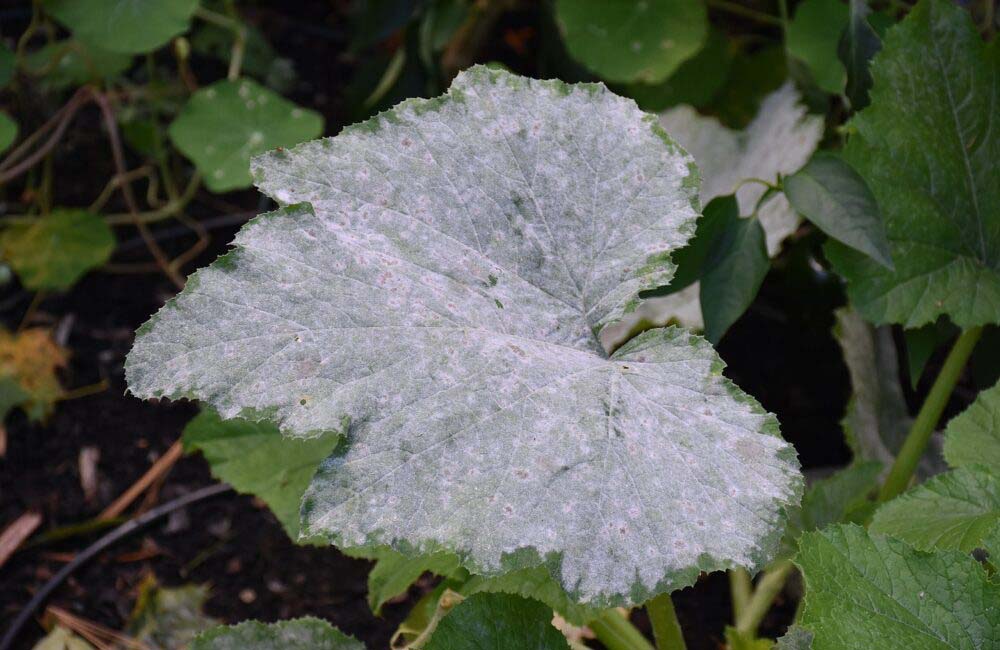
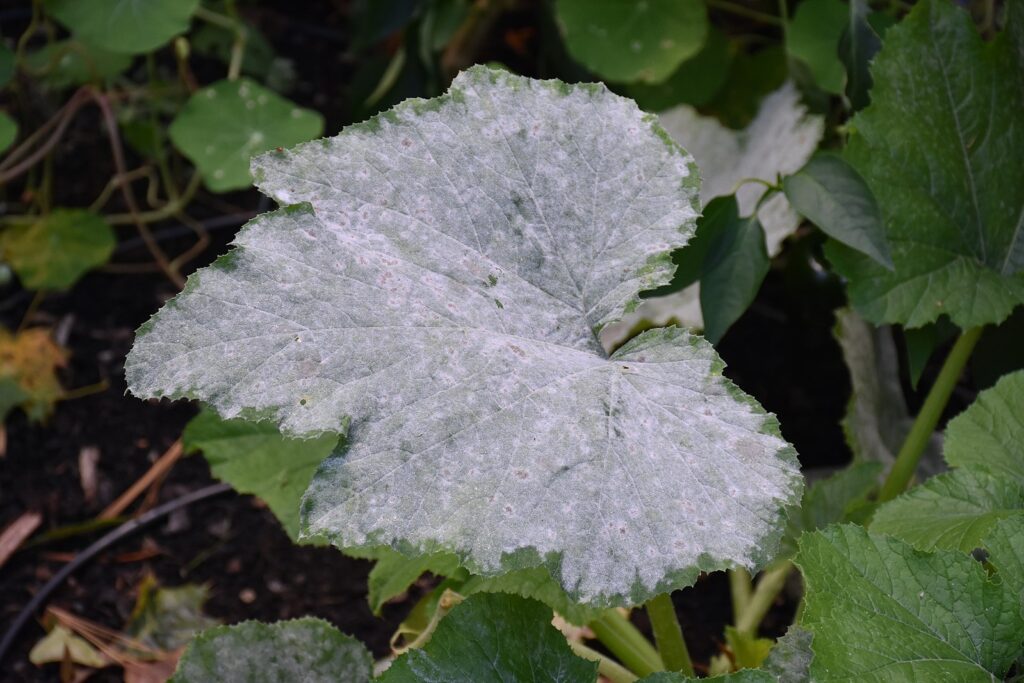
One of the most common diseases that our crews run into when out in the field is powdery mildew. It’s pervasive in the metro area, and it’s highly distinguishable. It isn’t a major threat to the plant itself, but it can ruin the aesthetics of a garden. Some of the plants you’ll most commonly see it on are:
- Ninebark
- Peonies
- Monarda
- Veronica
- Salvia
Keep an eye out for the following symptoms of this disease:
- White, powdery looking substance on young shoots and stems
- Cupping action of leaves
When to treat:
- When new shoots are suffering or the crown of the plant is threatened
Treatment options:
- Spray with a fungicide that targets the disease
How to prevent:
- Avoid overcrowding plants and ensure that airflow is adequate
- Maintain a consistent watering schedule (not too much nor too little)
- Pick disease-resistant cultivars
- Avoid unnecessary pruning and trimming of susceptible species
- Avoid overfertilizing
Aphids
Aphids are another of our common garden problems. Sometimes they will be brightly colored and clearly distinguishable, but other times they will be a green that blends in with the plant. Aphids suck the nutrients out of the leaves and stem of a plant, leaving the plant distorted in appearance and weaker overall. Their waste also creates a substance known as ‘honeydew’ that can eventually develop into a damaging black sooty mold over time – gross! Nearly every plant will attract some type of aphid, so it’s good to be prepared for when they find your yard.

Keey an eye out for the following symptoms of this pest:
- Discoloration
- Stunted growth
- Leaf curling
When to treat:
- Right away! The sooner addressed the better
Treatment options:
- Pesticides that target this pest
- Horticultural oil, neem oil
How to prevent:
- Avoid overfertilizing your plants – aphids love nitrogen!
Bird’s Foot Trefoil
You will see this weed popping up everywhere, from roadside ditches to your very yard! Unfortunately, it’s quite pretty, which often causes people to leave it undisturbed for far too long. It can choke out wanted plants and form a monoculture that’s tough to manage down the line.

Weed control methods:
- Manual removal. The moment you see this pop up in your yard, it’s advised that you remove it and bring it to a facility that can process invasive plants
- Spot-treating with an herbicide targeting members of the pea family
- Continuous mowing at a 2” height over known areas where it has taken hold
In Summary
Taking care of pesky plants, diseases, and pests can be a pain! Plant disease prevention is an excellent way to stay ahead of the game, so be sure to refer to some of the tips in this post when you want to get a jump start on things! You can also get in touch with Pleasant View Gardens to have one of our maintenance crews come out and deal with the problem for you. Enjoy the current no-weeds season in the meantime!

